how much fat on keto Fats foods ketogenic sources ketosis carbs lchf
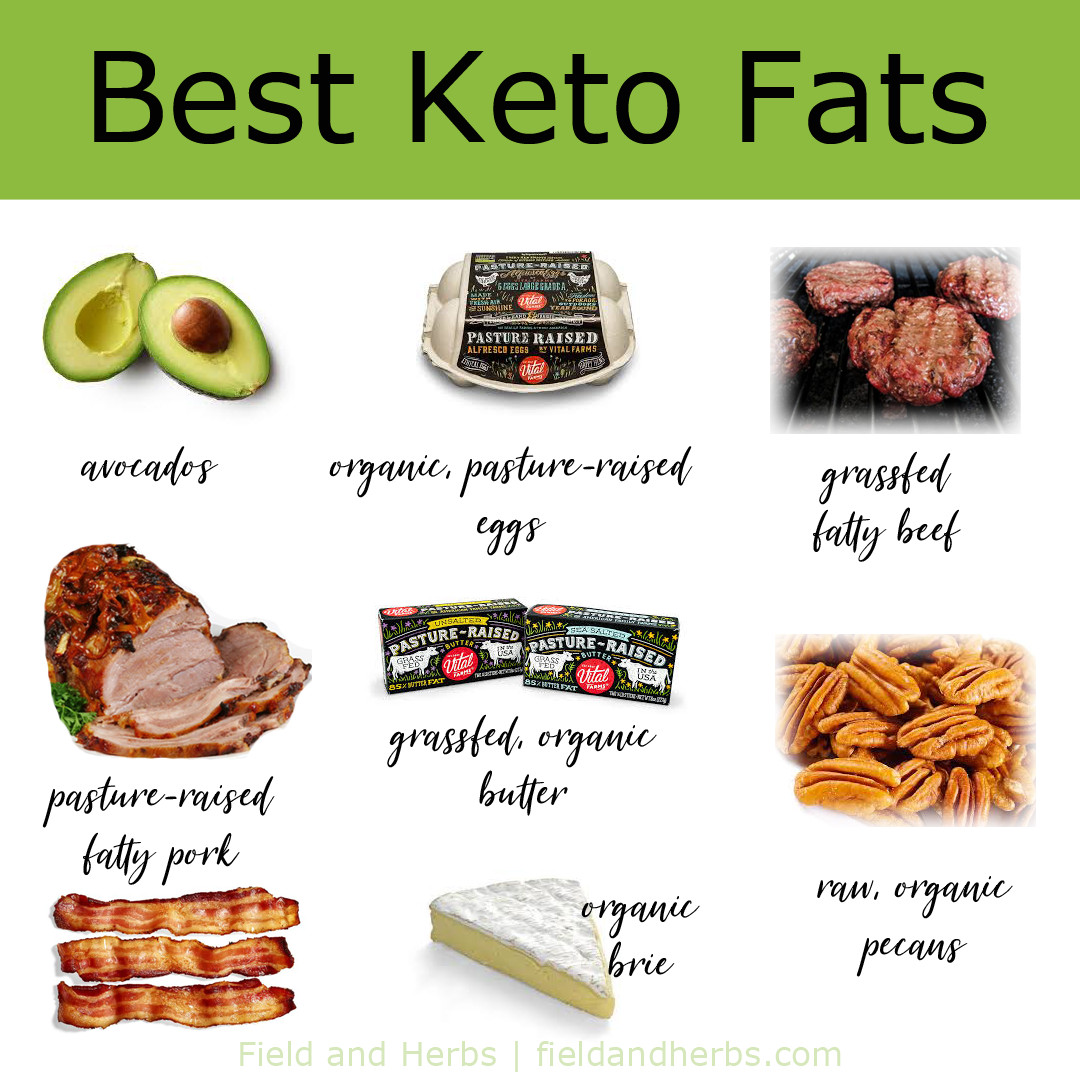
Starting the journey towards a keto lifestyle can be a bit confusing if you are not familiarized with some of the basics. One of the most common concerns that arises when embarking on a ketogenic diet is understanding how much fat to eat. There are different opinions out there, and it’s essential to have a clear understanding of one of the most commonly misunderstood aspects of the diet: fat intake. People often think that by doing a ketogenic diet, they will binge on fatty foods without limitations. However, the reality is quite the opposite. When following a keto regime, fat is essential for the overall success of the diet, but moderation is key. Let’s explore some of the facts surrounding fat intake on a ketogenic regimen. Firstly, it’s important to note that a keto diet involves a low carbohydrate, moderate protein, and high-fat intake. The standard macro breakdown for a keto diet is roughly 75% fat, 20% protein, and 5% carbs. However, there is no one-size-fits-all approach to this diet, and your individual requirements may vary. When following a keto diet, it’s important to consume healthy fats such as olive oil, coconut oil, nuts, seeds, and avocados. These are nutrient-dense options that will provide your body with the essential fatty acids and other nutrients that it needs. Secondly, it’s a myth that you should aim to consume as much fat as possible when on a keto diet, or that more fat intake will lead to increased weight loss. Consuming too much fat can actually lead to weight gain, and it’s important to find the right balance based on your individual needs. Thirdly, remember that protein intake plays a crucial role in your keto diet too. While high protein intake can lead to gluconeogenesis, whereby the body produces glucose from protein, consuming an adequate amount of protein is important for overall health and muscle maintenance. So, how much fat should you consume on a keto diet? It’s important to track your macros and find an appropriate balance based on your individual requirements. Start by calculating your daily caloric requirements, then subtract your carbohydrate and protein intake, leaving the remainder for fat intake. It’s better not to focus on just the fat intake, but to ensure you are following your overall macro requirements. In conclusion, fat intake on a keto diet is essential, but it’s all about finding the right balance that works for you. Focus on consuming healthy, nutrient-dense fats, track your macros, and find a balance that prioritizes overall health and wellbeing. With these tips in mind, you will be well on your way to keto success!
If you are searching about How much FAT to eat on Keto (to lose weight) | Weight Loss on the you’ve visit to the right page. We have 5 Pictures about How much FAT to eat on Keto (to lose weight) | Weight Loss on the like How much FAT to eat on Keto (to lose weight) | Weight Loss on the, What Happens If You Eat Too Much Fat on Keto? – Keto and Kale and also How much fat on keto? Some common misconceptions about percentages. Here it is:
How Much FAT To Eat On Keto (to Lose Weight) | Weight Loss On The
 www.youtube.comHow Much Fat On A Ketogenic Diet? | KetoDiet Blog
 ketodietapp.comfats foods ketogenic sources ketosis carbs lchf
What Happens If You Eat Too Much Fat On Keto? – Keto And Kale
 ketoandkale.comHow Much Fat On Keto? Some Common Misconceptions About Percentages
 www.theartofketo.comketo ketogenic
15 Terrific Healthy Keto Fats - Best Product Reviews
 hqproductreviews.comfats terrific
Fats terrific. Keto ketogenic. How much fat on a ketogenic diet?