what foods should breastfeeding moms avoid to prevent gas What are must-avoid foods and drinks during breastfeeding?
So, you’re wondering which fish to add to your diet and how often to eat them? Look no further, because we’ve got a handy chart that can help you make informed decisions when it comes to consuming seafood. First and foremost, it’s important to note that seafood can offer many health benefits, such as being a great source of protein, omega-3 fatty acids, and various vitamins and minerals. However, it’s also important to be mindful of the environmental impact and potential health risks associated with certain types of fish. Our chart breaks down different types of fish into three categories: “Best choices,” “Good alternatives,” and “Fish to avoid.” The “Best choices” category includes types of fish that are generally considered to be sustainable and low in contaminants. These include salmon, sardines, trout, and anchovies, among others. If you’re looking for a wider range of options, the “Good alternatives” category includes types of fish that are still relatively low in contaminants, but may not be as sustainable or are subject to overfishing. Examples in this category include shrimp, tilapia, and catfish. Finally, the “Fish to avoid” category includes types of fish that are either high in contaminants, overfished, or both. These include shark, swordfish, and Atlantic cod, among others. It’s recommended to limit consumption of these types of fish or avoid them altogether. When it comes to how often you should eat fish, it’s generally recommended to aim for at least two servings per week in order to reap the health benefits. However, it’s important to vary the types of fish you consume and be mindful of any potential health risks or environmental concerns. In addition to being mindful of which types of fish to consume, it’s also important to consider how the fish is prepared. Opting for grilled or baked fish, rather than fried or heavily breaded options, can help keep the calorie and fat content in check. Overall, adding seafood to your diet can offer many health benefits, as long as you make informed choices and consume it in moderation. Our chart can be a helpful tool in guiding your decisions and ensuring you’re making sustainable and health-conscious choices. Now, let’s talk about foods to avoid when breastfeeding. Breastfeeding can be a wonderful bonding experience between mother and baby, but it can also come with its challenges, such as colic, reflux, and eczema. One way to potentially alleviate these issues is by being mindful of the foods you consume while breastfeeding. Certain foods can cause gas or other digestive discomfort for your baby, while others may exacerbate eczema or other skin conditions. Some common foods to avoid while breastfeeding include dairy products, caffeine, spicy foods, and foods high in gas-causing sugars, such as beans and cruciferous vegetables. It’s also important to be mindful of any foods to which your baby may be allergic or sensitive. On the flip side, there are also foods that may actually be beneficial for breastfeeding mothers and their babies. Foods high in omega-3 fatty acids, such as salmon and flaxseed, can help support brain development in infants. Other nutrients to focus on while breastfeeding include calcium, iron, and vitamin D. Foods rich in calcium include dairy products, leafy greens, and fortified foods. Iron-rich foods include lean meats, beans, and fortified cereals. As for vitamin D, it’s important to get adequate sun exposure or consume fortified foods or supplements. In addition to being mindful of the foods you consume, it’s also important to stay hydrated while breastfeeding. Drinking plenty of water and other fluids can help maintain milk production and support overall health. Breastfeeding can be a wonderful and fulfilling experience for both mother and baby, but it’s important to be mindful of how your diet can impact your baby’s health and development. By avoiding certain foods and focusing on key nutrients, you can help ensure that both you and your baby are happy and healthy.
If you are looking for What are Must-Avoid Foods and Drinks During Breastfeeding? | KnowInsiders you’ve visit to the right page. We have 5 Pictures about What are Must-Avoid Foods and Drinks During Breastfeeding? | KnowInsiders like Foods to Avoid When Breastfeeding to Prevent Fussy Babies, This chart can help you choose which fish to eat, and how often to eat and also What are Must-Avoid Foods and Drinks During Breastfeeding? | KnowInsiders. Here it is:
What Are Must-Avoid Foods And Drinks During Breastfeeding? | KnowInsiders
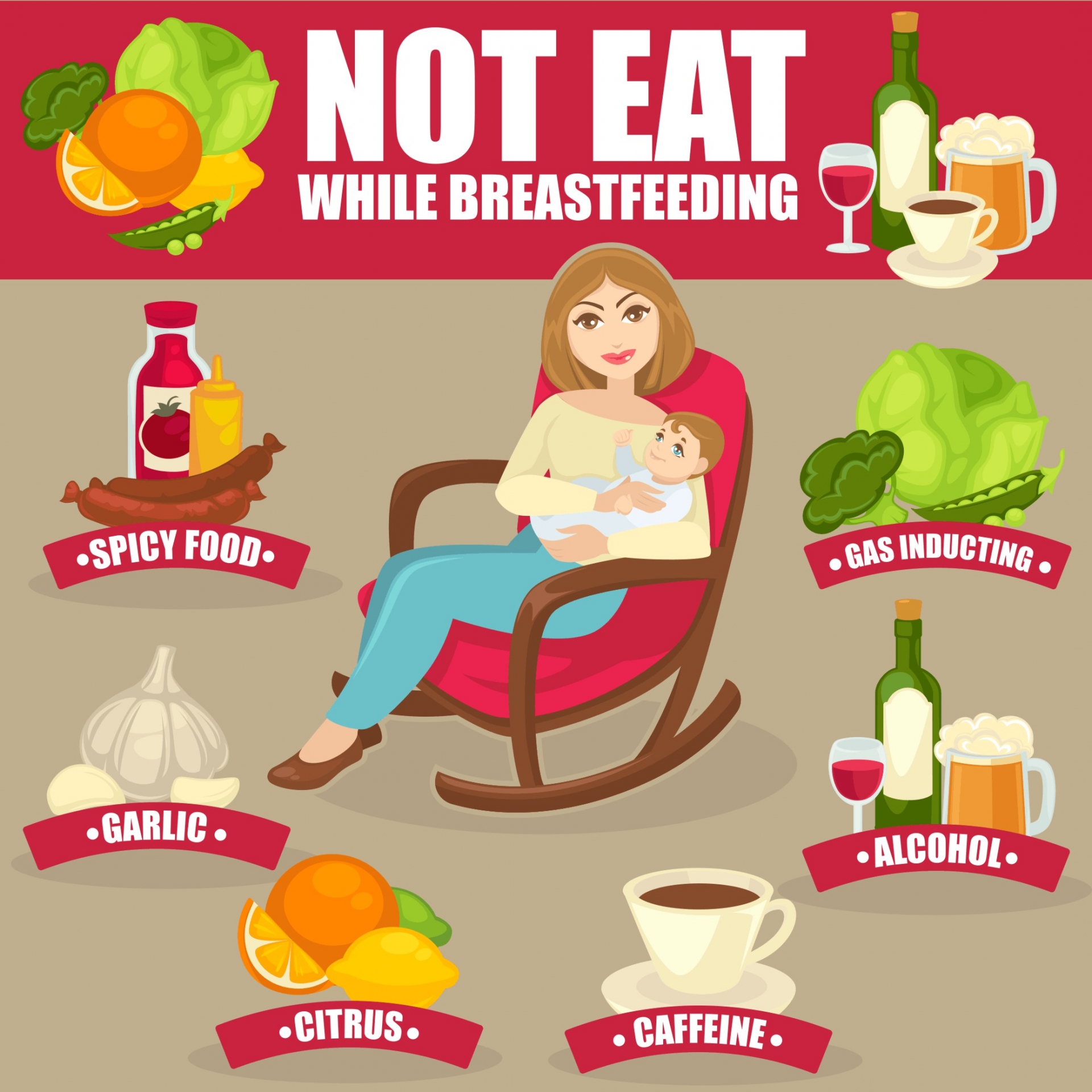 knowinsiders.combreastfeeding knowinsiders
What Foods To Avoid When Breastfeeding For Gas, Colic, Reflux, Eczema
 www.pinterest.combreastfeeding avoid foods gas when reflux colic baby paperheartfamily while eczema diet eat
Foods To Avoid When Breastfeeding To Prevent Fussy Babies
 www.pinterest.combreastfeeding avoid foods when baby food diet prevent babies lactation feeding fussy colic choose board make magazine
Foods To Avoid While Breastfeeding - Another Mommy Blogger | Dieting
 www.pinterest.co.ukbreastfeeding anothermommyblogger
This Chart Can Help You Choose Which Fish To Eat, And How Often To Eat
 www.pinterest.combreastfeeding
Breastfeeding knowinsiders. Breastfeeding avoid foods gas when reflux colic baby paperheartfamily while eczema diet eat. This chart can help you choose which fish to eat, and how often to eat